Why your car insurance is so expensive (and what actually affects your price)
If you have ever compared car insurance quotes and wondered how they can vary so much, you are not alone. Two drivers with similar cars and similar backgrounds can see completely different prices, and it often feels random or even unfair.
Searches like “why is car insurance so expensive” and “why are car insurance quotes different” are growing for a reason – drivers are frustrated, especially as premiums have risen sharply in recent years.
The truth is that insurance pricing is not random at all. It is highly data-driven, but the number of factors involved makes it feel unpredictable. Once you understand how insurers calculate risk, the differences start to make a lot more sense.
How car insurance is calculated and why quotes vary
At its core, car insurance pricing is based on risk. Insurers use large datasets to estimate how likely you are to make a claim and how expensive that claim might be.
According to the Association of British Insurers, insurers price policies based on factors like claims history, location, and vehicle risk, using statistical modelling to predict future costs .
Even small differences in your profile can change that risk calculation. A different address, job title, or mileage estimate can shift your premium significantly.
That is why two quotes that seem similar on the surface can end up far apart in price.
What affects car insurance price the most
Does area affect car insurance
The area you live in is one of the biggest factors in how car insurance is calculated.
Insurers look at local data such as:
- Theft rates
- Accident frequency
- Previous claims in the area
Urban areas with higher traffic and crime levels tend to have higher premiums. This is why moving house can change your insurance cost even if nothing else about your driving changes.
Car insurance groups explained and why some cars cost more to insure
Your car plays a major role, but it is not just about engine size.
Vehicles in the UK, for example, are placed into insurance groups based on:
- Repair costs
- Parts availability
- Performance
- Safety features
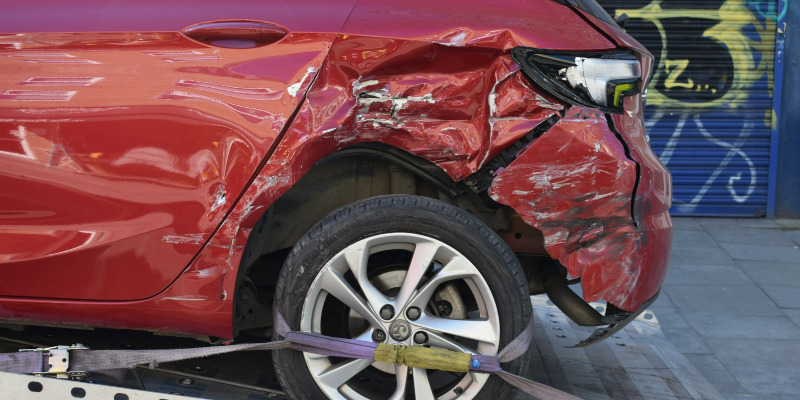
Modern cars with advanced driver assistance systems can actually be more expensive to insure because sensors and cameras are costly to repair.
Even minor collisions can lead to higher repair bills due to embedded technology.
Driving history and no claims bonus explained
Your driving record is a direct indicator of risk.
Insurers look at:
- Previous claims
- Penalty points
- No claims bonus
A clean history lowers your premium, while past claims or convictions increase it. The no claims bonus in particular can significantly reduce costs over time, rewarding consistent safe driving.
Why age affects car insurance cost
Age is one of the most well-known pricing factors.
Younger drivers typically pay more because statistically they are more likely to be involved in accidents.
Data from the UK Department for Transport shows that drivers aged 17 to 24 are at higher risk of collisions compared to older age groups.
As drivers gain experience, premiums generally decrease.
Does job title affect car insurance
Your occupation can also influence your premium.
Insurers group job titles based on perceived risk. For example, roles involving high mileage or irregular hours may be considered higher risk.
Even small wording differences in job titles can affect how insurers categorise you.
Hidden car insurance factors most drivers miss
Best time to buy car insurance
When you buy your policy matters more than most people realise.
Research has shown that buying insurance around 20 to 30 days before renewal can result in cheaper quotes, while last-minute purchases tend to be more expensive because they are seen as higher risk .
Does mileage affect insurance
Your annual mileage is another key factor.
Higher mileage increases exposure to risk, which usually means higher premiums. However, underestimating mileage can cause issues if you need to make a claim, so accuracy is important.
Does parking location affect insurance
Where you keep your car overnight also matters.
Parking on the street can increase risk compared to a driveway or garage. However, this is not always straightforward, as garages can sometimes increase the risk of accidental damage depending on the situation.
Does your credit score affect car insurance
Financial behaviour can also play a role in how insurers assess risk.
Credit scores in relation to car insurance are used in various ways country to country, though in the UK, financial indicators aren’t always considered when assessing reliability and likelihood of claims.
Why car insurance prices are increasing
Many drivers are noticing rising premiums, and there are clear reasons behind it.
Repair costs have increased significantly, particularly for modern vehicles. Advanced systems like sensors and cameras mean even minor damage can be expensive to fix.
According to the ABI, the average cost of vehicle repairs has risen due to more complex technology and supply chain pressures.
Electric vehicles can also be more expensive to repair due to specialist parts and labour, which feeds into overall insurance pricing.
Common car insurance myths that are not true
There are several myths that continue to confuse drivers.
- Car colour does not affect insurance pricing, as insurers do not consider colour when calculating risk.
- Third party insurance is not always cheaper and in many cases, fully comprehensive policies can be more competitive.
- Loyalty does not guarantee the best deal, with many insurers offering better rates to new customers than to existing ones, which is why shopping around is important.
How to lower car insurance costs
There are practical ways to reduce your premium.
Shopping around and comparing quotes remains one of the most effective methods.
Adjusting your voluntary excess can also reduce costs, although it increases what you pay in the event of a claim.
Adding an experienced named driver can sometimes lower premiums, especially for younger drivers, while choosing a car in a lower insurance group is another effective strategy.
Small details matter, so reviewing your policy information carefully can make a difference.
Why car insurance quotes are different for everyone
Car insurance might feel random, but it is actually driven by complex risk modelling.
Understanding what affects your premium puts you in a stronger position. From your area to your car choice, small changes can have a real impact on what you pay.
Your location, car, driving history, and even when you buy your policy all feed into the final price. This is why quotes can feel inconsistent, even though they are based on structured calculations.
If you have ever wondered why your insurance feels expensive, the answer usually comes down to a mix of factors working together rather than a single cause.