Future car interior trends: Why the modern car cabin is changing faster than ever
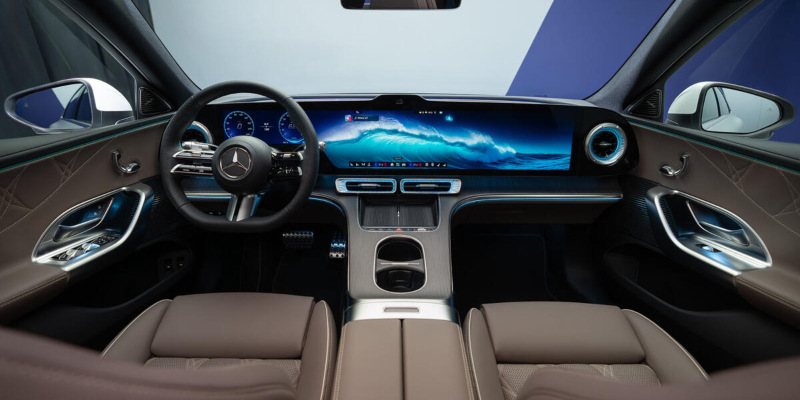
Step into a new car today and one thing is immediately obvious: the cabin matters more than ever – it’s no longer just about driving.
The modern car interior is becoming a digital space, a living room, and a user interface all at once. Automakers are investing heavily in screens, software, and sensory experiences, often faster than drivers can adapt to them.
At the same time, not all of these changes are being well received. From the rise and backlash of touchscreens and haptic controls to the emergence of AI-driven systems and immersive interiors, the car cabin is undergoing one of the biggest transformations in automotive history.
From controls to experiences: the cabin is now the product
For decades, car interiors were designed around function. Buttons controlled things. Dials adjusted things. The focus was on driving.
Today, the cabin itself has become a major selling point.
Buyers increasingly expect cars to feel like extensions of their digital lives, combining connectivity, comfort, and personalisation. This shift has pushed manufacturers to rethink interior design entirely.
Instead of fixed layouts and mechanical controls, modern cabins now feature software-driven interfaces, configurable displays, and environments that can adapt to the driver.
The car is becoming less like a machine and more like a device.
The screen takeover and why it happened
The rise of large touchscreens has been driven by several key factors.
Tesla played a major role by showing that a minimalist, screen-focused interior could feel modern and desirable. At the same time, manufacturers realised that replacing physical buttons with software could reduce complexity and allow updates over time.
On top of that, drivers are now used to interacting with smartphones and tablets, so touch-based systems feel familiar.
As a result, many new cars prioritise clean dashboards, centralised displays, and minimal physical controls. It creates a sleek look, but it also introduces new challenges.
The problem with touchscreens
As touchscreen-heavy interiors have become more common, their downsides have become harder to ignore.
Drivers often report frustration with simple tasks being buried in menus, a lack of tactile feedback, and systems that demand too much attention.
Unlike physical buttons, touchscreens require you to look at them to use them.
This creates a clear safety concern. Taking your eyes off the road, even briefly, increases reaction times and reduces awareness. What feels intuitive on a phone does not always translate well to a moving vehicle.
There is also a usability issue – when everything is controlled through a screen, even basic adjustments like changing temperature or volume can take longer than they should.
Haptic controls and the attempt to fix the issue
To address the lack of physical feedback, manufacturers introduced haptic controls – touch-sensitive surfaces that simulate the feeling of a button press through vibration or pressure feedback.
The idea is to combine the clean design of touch interfaces with the reassurance of physical input. In theory, it allows drivers to interact with controls without fully relying on visual confirmation.
In practice, the results have been mixed.
Why drivers have pushed back on haptics
Haptic controls have not delivered the clarity that many drivers expect.
Common complaints include accidental inputs, inconsistent feedback, and a lack of confidence when using them on uneven roads. Even with vibration, they often do not provide the same certainty as a real button or switch.
In premium cars, where expectations are higher, this has been particularly noticeable. What is meant to feel advanced can instead feel less intuitive.
As a result, some manufacturers are beginning to rethink their approach.
The return of physical controls
In response to criticism, physical buttons and switches are making a comeback.
Manufacturers are reintroducing key controls such as volume knobs, climate buttons, and steering wheel switches. These are functions that drivers use frequently and need to access quickly.
Physical controls offer clear advantages. They provide immediate feedback, can be used by feel, and allow drivers to keep their eyes on the road. They also build familiarity over time through muscle memory.
The direction the industry is moving towards is not a complete reversal, but a balance between digital and physical interaction.
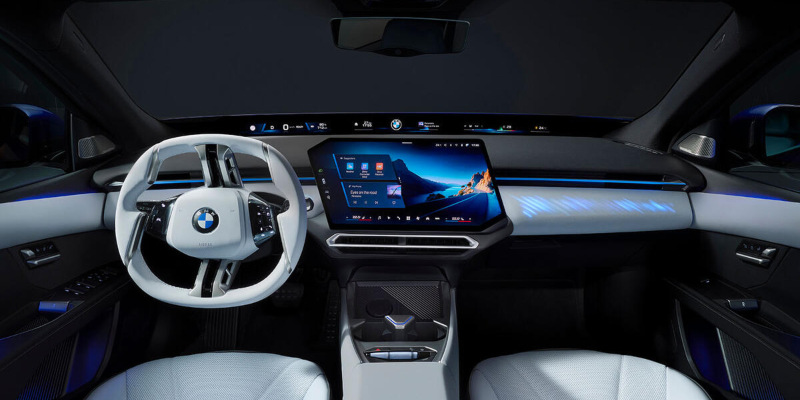
New technology reshaping the cabin
While the debate around touchscreens continues, a range of new technologies is quietly redefining the car interior.
AI-powered personalisation
Modern systems are beginning to learn driver behaviour. They can adjust climate settings automatically, suggest routes based on habits, and tailor infotainment preferences over time.
This shift moves the car from reacting to inputs to anticipating needs.
Head-up displays and augmented reality
Information is starting to move away from the dashboard and into the driver’s line of sight.
Head-up displays project key data onto the windscreen, and newer systems use augmented reality to overlay navigation directions onto real-world views. This reduces the need to look down at screens while still delivering useful information.
Gesture and touchless controls
Some manufacturers are experimenting with gesture controls that allow drivers to perform actions with simple hand movements.
These systems aim to reduce physical interaction altogether, although they are still developing and can vary in reliability.
Multi-sensory interiors
The modern cabin is becoming more immersive.
Features such as ambient lighting, advanced audio systems, and even seat-based feedback are being used to create a more engaging environment. Some concepts go further by exploring scent systems and adaptive settings that respond to driver mood or fatigue.
Sustainable and softer materials
Interior materials are also evolving.
Manufacturers are introducing recycled fabrics, vegan leather alternatives, and softer textures designed to make the cabin feel more like a living space.
The goal is to create a more comfortable and inviting environment, especially as drivers spend more time in their vehicles.
The shift in user experience design
Despite the increase in technology, the broader trend in user experience design is moving towards simplicity.
Designers are focusing on reducing distraction, lowering cognitive load, and making systems easier to use without thinking. This means cleaner layouts, fewer steps to complete tasks, and more automation working in the background.
The most effective systems are often the ones that require the least attention.
What happens next
The car interior is still evolving, and manufacturers are working to find the right balance.
They are navigating trade-offs between futuristic design and real-world usability, digital interfaces and physical controls, and innovation and safety.
The most likely direction over the next few years includes a mix of physical and digital controls, greater use of AI to simplify interactions, and less reliance on touchscreens for essential functions.
As autonomous technology develops, the cabin may shift again, becoming more like a lounge or workspace rather than a driving-focused environment.
The modern car cabin is changing faster than almost any other part of the vehicle, but progress has not been entirely straightforward.
Touchscreens and haptic controls promised a more advanced experience, but real-world use has highlighted their limitations. At the same time, new technologies such as AI, augmented reality, and multi-sensory design are expanding what the interior can offer.
The future is not about removing buttons or adding more screens. It is about finding the right balance between technology and usability.
For drivers, that balance will define how comfortable, intuitive, and safe the next generation of cars really feels.