What ‘mild hybrid’ actually means (and why it matters)
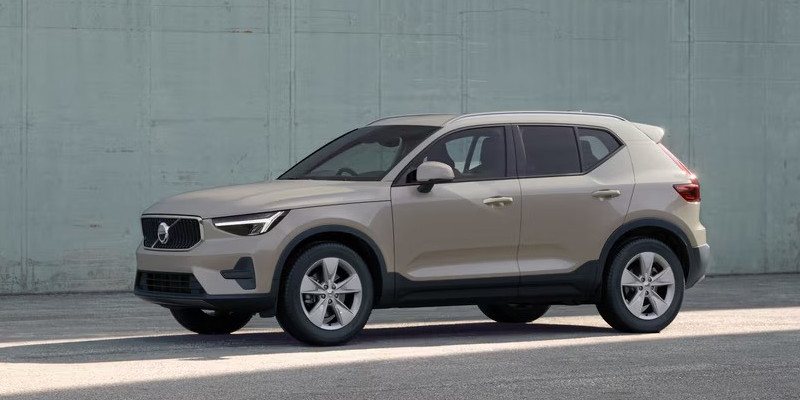
In a world that’s getting used to new terminology when it comes to electrified cars, you can be forgiven for wondering what most of it means.
With terms like BEV, HEV and PHEV being thrown around, there’s a lot to take in – well here’s another for you: MHEV or Mild Hybrid Electric Vehicle.
What is a Mild Hybrid?
Firstly, it should be stated that a mild hybrid is not an electric car, despite the breakdown of its initialisation above – think of it more as an electrified vehicle.
A mild hybrid vehicle is found in the form of a petrol or diesel car that uses a small electric system to assist the engine, rather than power the car on its own.
Often coupled with the electrical unit ‘48V’, this part refers to the voltage of the electrical system – higher than a traditional 12V car battery, but much lower than a full hybrid or EV.
The key components:
- A small electric motor/generator (usually belt-driven)
- A 48V battery
- Standard petrol or diesel engine
It’s important to realise at this point that a mild hybrid cannot drive on electric power alone – the engine is always involved.
What’s the Purpose of a Mild Hybrid?
The goal is simple: Improve efficiency and reduce emissions without adding too much cost or complexity.
Instead of replacing the engine, the electric system helps it work smarter.
What Does It Actually Do?
A 48V mild hybrid system mainly supports the engine in a few key ways:
1. Smooth Start-Stop
When you come to a stop, the engine shuts off.
The 48V system restarts it quickly and smoothly, reducing fuel use in traffic.
2. Extra Boost When Accelerating
The electric motor can give a small power assist, especially when pulling away or overtaking.
This means:
- Less strain on the engine
- Slightly better performance
- Improved fuel economy
3. Energy Recovery (Regenerative Braking)
When you slow down, the system captures energy that would normally be lost and stores it in the battery.
4. Engine-Off Coasting
Some systems can briefly switch off the engine while cruising (e.g. downhill), saving fuel.
What Are the Benefits?
✔ Better Fuel Economy
You’ll typically see 5-15% improvement compared to a non-hybrid equivalent.
✔ Lower Emissions
Reduced CO₂ output helps manufacturers meet regulations – and can sometimes lead to lower road tax.
✔ Smoother Driving Experience
Start-stop feels less intrusive, and acceleration can feel slightly more responsive.
✔ Lower Cost Than Full Hybrids
Mild hybrids are usually cheaper than full hybrids and don’t require plugging in like PHEVs.
✔ No Change in Driving Habits
You drive it like a normal car – no charging, no special modes to manage.
What Are the Limitations?
This is where it’s important to be honest.
✖ No Electric-Only Driving
Unlike full hybrids or plug-ins, a mild hybrid can’t run on electricity alone.
✖ Modest Fuel Savings
The efficiency gains are real – but not dramatic.
If you’re expecting big savings, you might be disappointed.
✖ Still Relies on Fossil Fuel
It’s still fundamentally a petrol or diesel car, just slightly improved.
✖ Limited Impact in Some Driving Conditions
You’ll benefit more in urban driving than on long motorway journeys.
How Does It Compare to Other Hybrid Types?
Here’s a quick, simple comparison:
| Type | Can drive on electric only? | Needs charging? | Typical benefit |
| Mild Hybrid (MHEV) | No | No | Small efficiency boost |
| Full Hybrid (HEV) | Yes (short distances) | No | Better fuel savings |
| Plug-in Hybrid (PHEV) | Yes (longer range) | Yes | Major fuel savings if charged |
| Electric (EV) | Yes (only electric) | Yes | Zero fuel, zero emissions (tailpipe) |
Think of a mild hybrid as a helper, not a replacement for the engine.
Why Are Manufacturers Using Them?
Models utilising 48V mild hybrid systems have become very popular because they’re:
- Cheap to implement
- Easy to integrate into existing engines
- Effective for meeting emissions targets
For carmakers, they’re a quick win in the transition toward electrification.
How Long Will Mild Hybrids Be Around?
Mild hybrids are widely seen as a transitional technology.
Short to Medium Term (Now-early 2030s)
- Expect them to remain common, especially in petrol and diesel cars
- Useful for meeting tightening emissions rules
Longer Term
- As governments push toward full electrification, mild hybrids will likely fade out
- Especially in markets like the UK, where new petrol/diesel car bans are planned
In simple terms: They’re a stepping stone, not the end goal.
Should You Consider One?
A 48V mild hybrid makes sense if you want:
- A familiar driving experience
- Slightly better fuel economy
- Lower upfront cost than full hybrids
But if you want:
- Significant fuel savings
- Electric driving
- Future-proofing
You may want to look at full hybrids, plug-ins, or EVs instead.
The Bottom Line
A 48V mild hybrid is best understood as: A smarter petrol or diesel car – not an electric one.
It won’t transform how you drive, but it will make your car a bit more efficient, smoother, and slightly greener.
And for many drivers, that’s exactly the point.