Why are affordable cars are becoming harder to buy?
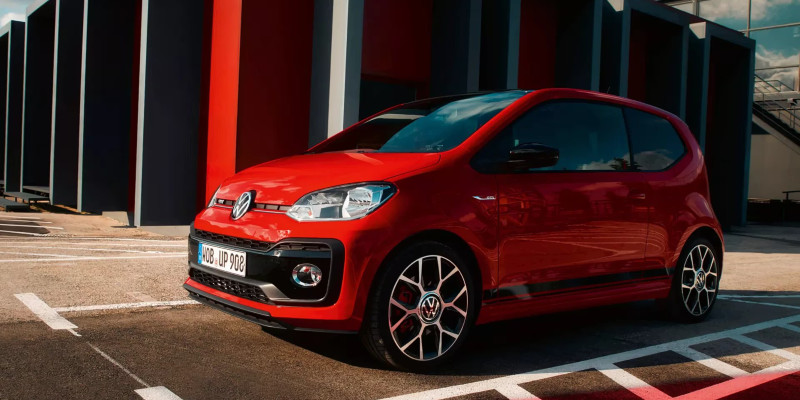
For decades, affordable cars formed the backbone of the UK car market. Small hatchbacks and city cars offered simple, practical transport at a price that felt accessible to first-time buyers, families, and commuters alike.
Now, many of those cars are disappearing.
Models like the Ford Fiesta, Volkswagen Up and the Peugeot 108 have either been discontinued or replaced by larger, more expensive alternatives. At the same time, the average price of a new car has continued to rise, pushing genuinely affordable motoring further out of reach for many drivers.
The question is no longer whether cars are getting more expensive. It is why affordable cars are quietly disappearing altogether.
The decline of affordable small cars
For years, small hatchbacks dominated UK roads. Cars like the Fiesta and Corsa became popular because they balanced practicality, fuel economy, affordability, and ease of driving.
That market has changed dramatically.
Manufacturers have steadily reduced the number of entry-level cars in their line-ups, with many city cars disappearing entirely. According to data from the Society of Motor Manufacturers and Traders (SMMT), SUVs now account for more than half of new car registrations in the UK, while demand for smaller segments has declined.
The shift has left buyers with fewer genuinely low-cost options than they had even five years ago.
Why SUVs became more profitable than affordable hatchbacks
One of the biggest reasons affordable cars are disappearing comes down to profit.
SUVs and crossovers generate significantly higher margins for manufacturers than small hatchbacks. Buyers are willing to pay more for larger vehicles because they are perceived as more practical, more premium, and safer.
At the same time, modern finance agreements have changed how people think about affordability. Many buyers no longer focus on total vehicle price and instead shop based on monthly payments.
That creates an environment where upgrading to a larger vehicle can feel surprisingly achievable, even if the overall cost is far higher.
For manufacturers, selling one higher-margin SUV is often more profitable than selling multiple low-cost city cars.
Why emissions regulations made cheap cars harder to build
Modern emissions and safety regulations have also changed the economics of affordable cars.
Even the cheapest vehicles now require:
- Advanced safety systems
- Complex emissions controls
- Larger infotainment systems
- Improved crash protection
These technologies are expensive to develop and install.
The challenge is that a manufacturer may spend a similar amount developing compliance systems for a £15,000 car as they would for a £35,000 one. The difference is that premium vehicles provide far more room for profit.
Euro NCAP safety requirements and stricter emissions standards have dramatically improved vehicle safety and environmental performance, but they have also increased production costs across the industry.
As a result, simpler low-cost cars have become much harder to produce profitably.
Why electric cars accelerated the problem
The shift towards electric vehicles has intensified the issue.
Battery technology remains expensive, and it is particularly difficult to build small electric cars that are both profitable and affordable. Larger vehicles can absorb battery costs more easily because manufacturers can charge more for them.
This is one reason many early EVs entered the market as SUVs and premium crossovers rather than compact city cars.
According to the International Energy Agency (IEA), battery costs have fallen over time, but EV production still carries significant cost pressures compared to traditional combustion vehicles.
For buyers looking for cheap new cars, this has created a difficult situation. Many entry-level EVs still sit well above the budgets traditionally associated with affordable motoring.
How car finance changed buyer behaviour
Car finance has quietly reshaped the market in ways many drivers do not fully realise.
PCP agreements and leasing deals shifted focus away from overall purchase price and towards monthly affordability. This made larger and more expensive cars feel financially manageable.
As a result, buyers increasingly moved towards:
- SUVs
- Premium trims
- Larger family vehicles
Manufacturers responded by prioritising those segments because they generated stronger profits.
The downside is that truly affordable new cars became less attractive for manufacturers to invest in. Lower-priced vehicles produce lower monthly payments and lower margins, making them less commercially appealing in a finance-driven market.
What this means for drivers
The disappearance of affordable cars is already having real consequences.
For younger drivers, the entry point into car ownership has become much more expensive. Insurance costs, finance payments, and rising vehicle prices combine to create a much higher barrier than previous generations faced.
Used car prices have also remained elevated because demand for affordable second-hand vehicles continues to outstrip supply.
Larger vehicles are creating practical challenges too. Modern SUVs take up more road and parking space, which can make urban driving more difficult. Research from the European Environment Agency has also highlighted the increasing size and weight of new vehicles across Europe.
For many drivers, there is growing frustration that cars are becoming larger, more complex, and more expensive than they actually need them to be.
Are affordable cars gone for good?
Despite the trend, there are signs that demand for affordable vehicles still exists.
Brands like Dacia have grown by focusing on simpler, value-driven cars rather than premium positioning. Smaller urban EVs are also beginning to emerge as manufacturers search for lower-cost electric mobility solutions.
Chinese manufacturers entering the European market may also increase pressure to produce more affordable electric vehicles over the next few years.
There is still a strong market for practical, efficient, lower-cost transport. The challenge is whether manufacturers can build those vehicles profitably in today’s regulatory and economic environment.
Affordable cars are disappearing for a combination of reasons rather than a single cause.
SUV demand, rising regulations, EV development costs, and finance-driven buying habits have all pushed the market towards larger and more expensive vehicles.
For manufacturers, the economics increasingly favour premium models over simple entry-level cars.
But for drivers, especially younger buyers and urban motorists, the demand for affordable transport has not disappeared at all.
The real question is not whether people still want affordable cars – it is whether the modern car industry still wants to build them.